
AI-Powered Business Aims to Formalise Kenya’s House Help Market
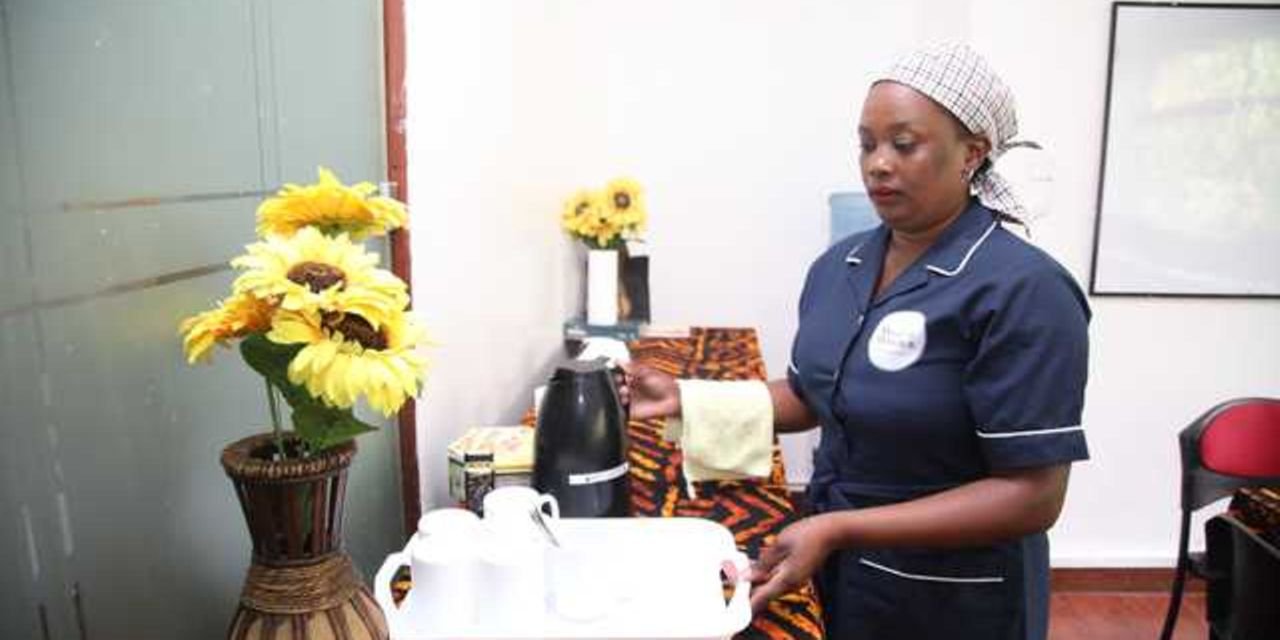
In 2011, Nairobi entrepreneur Evelyne Kihia, widely known as Madam Shiko, founded Maids of Honour Africa after struggling to find reliable domestic workers for her own household.
The agency has since grown into a training and placement business focused on formalising domestic work in Kenya. The business began as a small home-based training initiative offering lessons in cookery and housekeeping.
It later expanded into a broader programme that includes workplace discipline, healthy cooking, mentoring and advanced household management. Demand grew quickly, leading the company to move into larger premises within its first year.
At the centre of the agency’s approach is a subscription-based model that replaces one-off hiring arrangements with ongoing support services. Families are connected with vetted domestic workers, while the agency continues to oversee performance management, follow-up support and replacement arrangements where necessary.
Shiko says the subscription system is designed to create more structured and accountable household support services. The company combines this model with technology-driven systems, including an AI-based vetting and rating platform that allows households to review workers’ performance and reliability. Domestic workers are also able to maintain portable records of their work history and ratings.
Training and assessment are supported through digital platforms covering childcare, eldercare, nutrition and household management. The company has also expanded beyond household placements to provide caregivers, cooks, drivers and personal assistants to corporates, schools and hospitality businesses.
Financial inclusion forms part of the agency’s wider strategy. Workers are offered access to Sacco schemes, health insurance and financial literacy training, giving them opportunities to save, obtain insurance and access credit. These measures are intended to improve stability in a sector that has traditionally been informal and poorly regulated.
Domestic work in Kenya has largely depended on informal hiring systems, often based on referrals or brokers. This has contributed to inconsistent skill levels, high staff turnover and limited job security for workers. Shiko argues that domestic workers are often entrusted with major responsibilities, including childcare and eldercare, yet continue to receive limited professional recognition.
Maids of Honour Africa aims to address these challenges through formal training, structured contracts and clearer career development pathways. Since it was established, the agency has trained and vetted more than 1,500 candidates and placed domestic workers in over 1,000 households.
The company also conducts post-placement management and exit interviews to improve accountability for both employers and workers. However, challenges remain, including high worker mobility, differing household expectations and weak enforcement of labour standards.
Despite these difficulties, Shiko says the company continues to balance digital systems with direct human engagement. She maintains that this approach has allowed the business to expand while preserving its original focus on personal support and professional standards.




Comments
No comments yet — be the first.