

Mysterious Elephant Deaths in Kenya Spark Concerns Over Pesticide Use
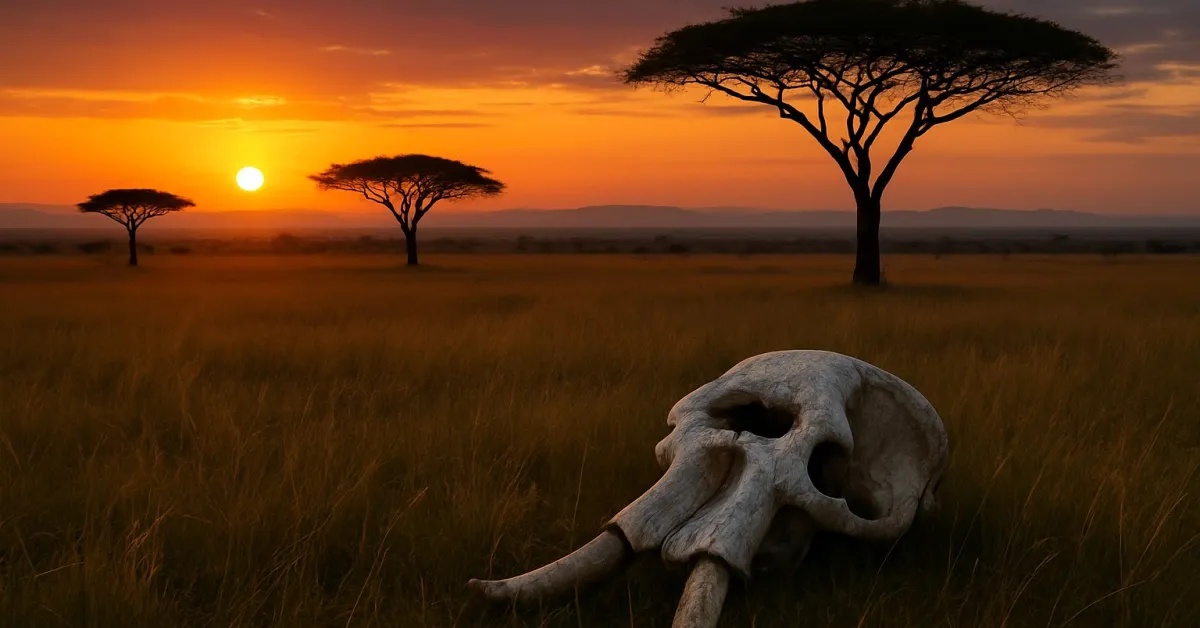
Recent reports have emerged regarding a troubling wave of mysterious elephant deaths in Kenya, raising significant concerns about the potential impact of pesticides on wildlife. These incidents have captured the attention of environmentalists, wildlife conservationists, and the general public, as they highlight an alarming intersection of agriculture and wildlife preservation.
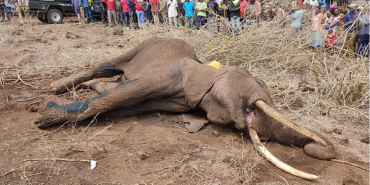
According to officials and wildlife experts, several elephants have been found dead in various locations across the country. Initial investigations suggest that the deaths may be linked to the ingestion of toxic substances, potentially from agricultural pesticides used in nearby farming areas. This connection has prompted urgent calls for a thorough examination of pesticide regulations and their effects on non-target species.
The issue of pesticide use in agriculture is not new in Kenya, where the agricultural sector plays a crucial role in the economy. However, the recent elephant deaths have brought the potential dangers of these chemicals to the forefront of public discourse. Experts warn that while pesticides are essential for controlling pests and ensuring crop yields, their misuse or excessive application can have devastating consequences on local ecosystems.
Wildlife organizations have expressed their deep concern over the situation, emphasizing that elephants are a keystone species in maintaining ecological balance. The loss of these animals could have cascading effects on the environment, disrupting natural habitats and the overall health of ecosystems. The significance of preserving elephant populations extends beyond ecological considerations; elephants also play a vital role in attracting tourism, which is a significant contributor to Kenya's economy.
Investigations are ongoing to determine the exact cause of the elephant deaths, with experts calling for more rigorous monitoring and regulation of pesticide use in agricultural practices. The Kenyan government has been urged to implement stricter guidelines to prevent similar incidents in the future. Conservationists argue that a comprehensive approach is necessary, one that balances agricultural needs with the protection of wildlife.
The deaths have sparked a wider debate about the relationship between agriculture and conservation in Kenya. Many farmers rely heavily on pesticides to protect their crops from pests, but the potential risks to wildlife must be carefully managed. This situation underscores the need for sustainable agricultural practices that minimize harm to the environment while still supporting the livelihoods of farmers.
Local communities living near wildlife habitats are also affected by the elephant deaths. Many depend on wildlife tourism for their income, and a decline in elephant populations could pose economic challenges for these communities. Therefore, the implications of this situation extend well beyond the immediate wildlife concerns; they touch on the livelihoods and well-being of human populations as well.
The Kenyan government and relevant stakeholders are now faced with the challenge of addressing these deaths while ensuring the safety of both wildlife and agricultural practices. Collaborative efforts are needed to find solutions that protect both the environment and the economy. This includes engaging farmers in discussions about sustainable practices and exploring alternative pest control methods that are less harmful to wildlife.
As investigations continue, the eyes of the international community are also on Kenya, with many watching how the government will respond to this environmental crisis. The outcome of this situation could set a precedent for how countries approach the intersection of agriculture and wildlife conservation in the future.
The recent deaths of elephants in Kenya are a stark reminder of the delicate balance that must be maintained between human activities and the natural world. As the situation develops, it highlights the urgent need for dialogue and action to protect one of the country’s most iconic species while supporting its agricultural sector.



















Add new comment