

Ghana tightens gold exports in push to keep more value at home
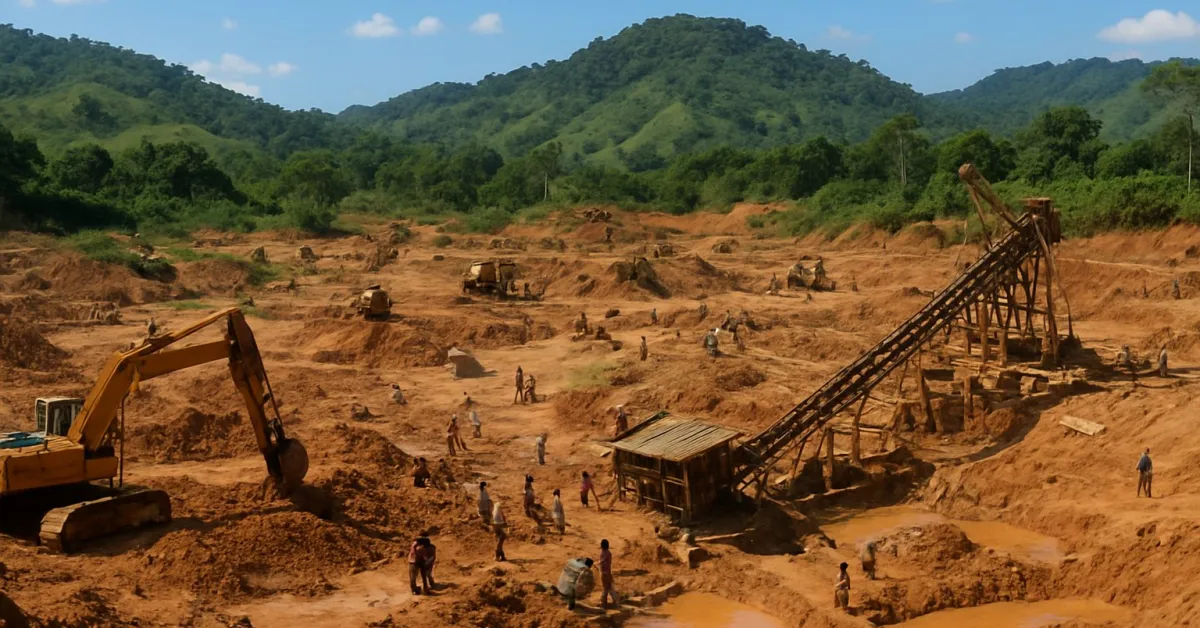
In a significant move to bolster its domestic gold industry, Ghana has introduced tighter regulations on its gold exports. This initiative is part of a broader strategy to enhance the country's capacity to benefit from its natural resources by retaining more value in the local economy, rather than relying heavily on raw exports.
Ghana, recognized as one of Africa's top gold producers, has historically exported raw gold, with limited processing conducted within its borders. The new regulations aim to alter this dynamic by encouraging value addition and local beneficiation of the precious metal. This initiative aligns with the government's efforts to transform Ghana's economy by moving away from mere extraction of raw materials towards more processing and manufacturing within the country.
The regulatory changes come as Ghana seeks to capitalize on its status as a leading gold producer. The country accounts for a significant portion of Africa's gold production, contributing substantially to the national economy. However, the government has identified the need to capture more of the value chain domestically to enhance economic growth and create jobs.
This policy shift could serve as a model for other resource-rich nations in Africa and the developing world, highlighting the importance of moving beyond simple extraction to engage in more complex industrial activities. By doing so, countries can increase their industrial capacity, improve technological expertise, and ultimately raise their economic standing on the global stage.
As Ghana tightens its export framework, the global gold market may witness shifts in trading patterns. The country’s efforts could influence global supply chains, prompting international buyers to adjust their sourcing strategies. Additionally, other gold-producing nations may observe Ghana's approach as a potential pathway to increasing their own economic benefits from natural resource extraction.
The success of Ghana's initiative will likely depend on the implementation of supportive infrastructure and policies that facilitate the growth of local industries capable of processing gold. This includes investments in technology, skilled workforce development, and fostering partnerships with international firms that can provide expertise and markets for finished products.
As the global demand for gold remains strong, Ghana's decision to tighten export regulations represents a strategic effort to ensure that a larger portion of the economic benefits derived from this demand is retained within the country. This move underscores the ongoing efforts by African nations to recalibrate their economic models in favor of more sustainable and inclusive growth.

















Add new comment