


Lamu's Transformation: The Impact of a Sh2 Trillion Oil Refinery Project
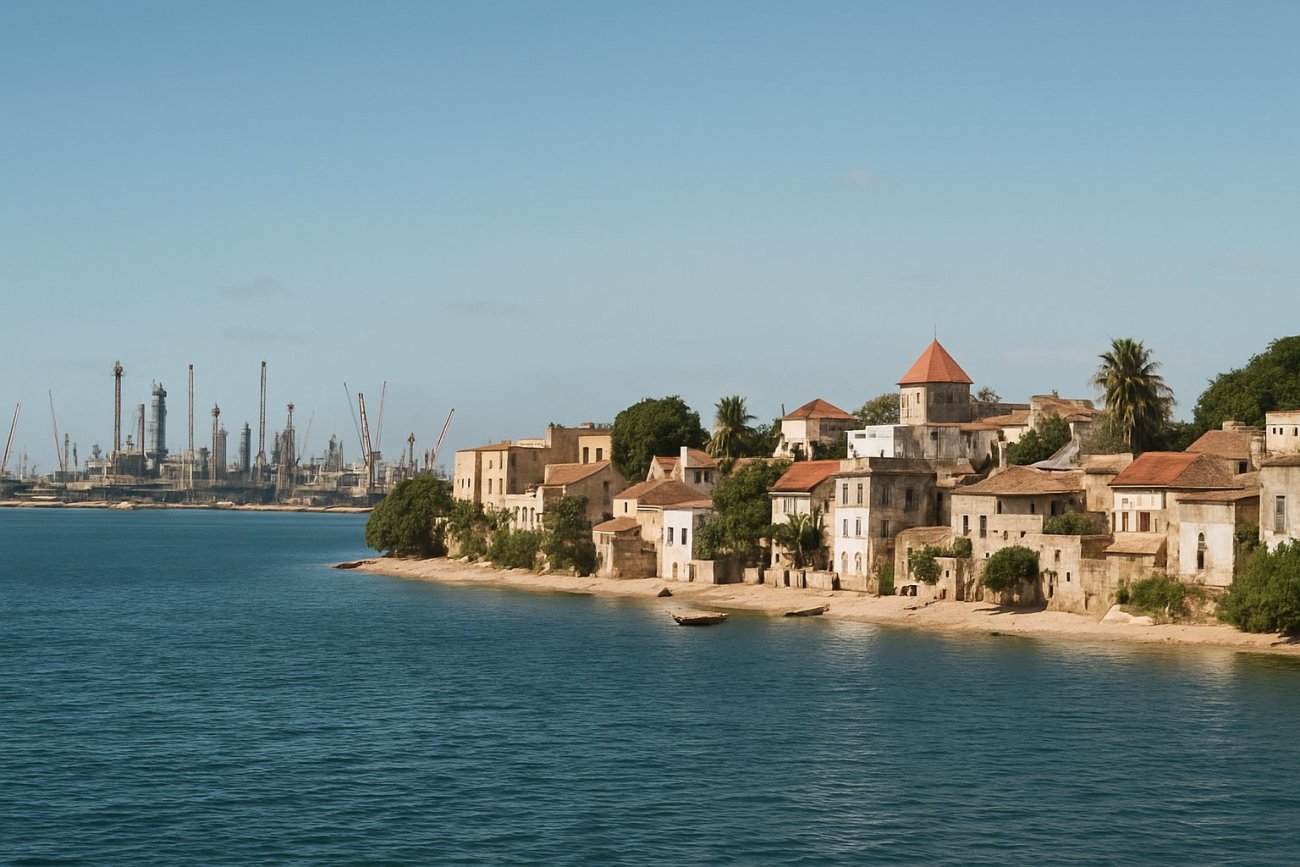
The promise of a Sh2 trillion oil refinery project in Lamu is poised to reshape the economic landscape of Kenya's least populous county. This ambitious initiative, which is part of a broader strategy to enhance the nation’s energy sector, has generated significant attention and discussion regarding its potential benefits and implications.
President William Ruto has played down suggestions of rivalry between Kenya, Uganda, and Tanzania over competing refinery projects. This indicates a strategic focus on collaboration rather than competition among the East African nations as they seek to develop their respective energy resources.
The Dangote refinery, which is a key component of this initiative, has sparked interest in the 12,000-acre land in Lamu designated for its construction. The development of this refinery is expected to not only create numerous job opportunities but also stimulate local businesses and improve infrastructure in the region.
Discussions surrounding the oil pipeline from the Turkana oilfields to the Dangote Lamu refinery have also gained traction. This pipeline is critical for transporting crude oil to the refinery, and its establishment is seen as a vital step towards ensuring that the refinery operates efficiently and effectively.
The potential economic impact of the refinery extends beyond job creation. It is anticipated that the project will attract foreign investment and boost the local economy by increasing trade activities and enhancing the overall business environment in Lamu.
As developments unfold, the eyes of various stakeholders, including investors and policymakers, remain focused on Lamu. The refinery project is seen as a transformative opportunity that could set a precedent for future industrial developments in Kenya and the region.



Comments
No comments yet — be the first.