
Lamu Refinery Project Tests East Africa's Oil Ambitions Amid Political Dynamics
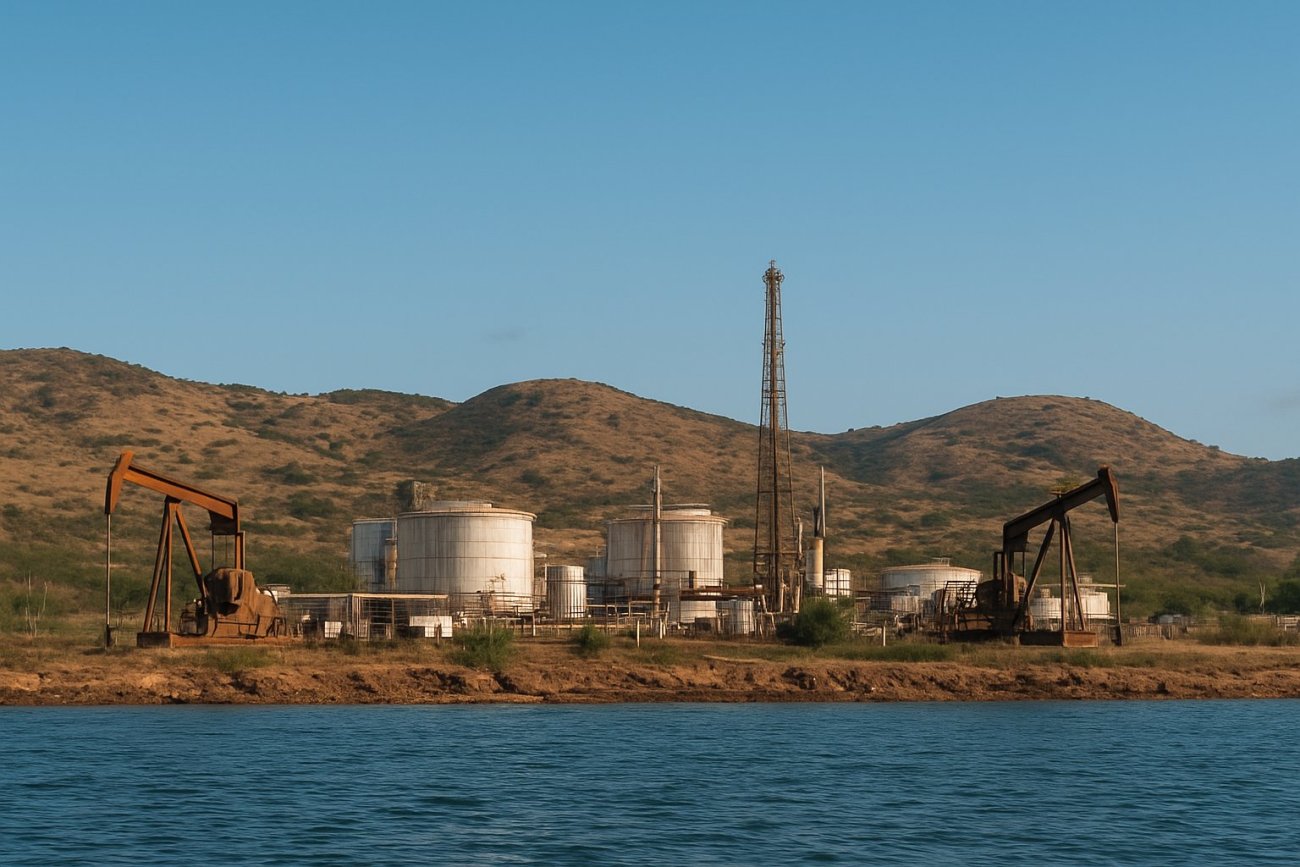
The Lamu refinery project, spearheaded by Nigerian businessman Aliko Dangote, is at the forefront of discussions regarding East Africa's oil ambitions. This significant venture is being closely monitored by regional leaders, including Kenya's President William Ruto, as it holds substantial political and economic implications for the region.
Located in Lamu County, Kenya, the refinery aims to process crude oil into refined products, a move that could bolster the local economy and reduce reliance on imported fuels. With an estimated investment of Sh2 trillion, the project is expected to create thousands of jobs and stimulate growth in various sectors, including construction and service industries.
The involvement of Dangote, Africa's richest man, underscores the importance of private investment in realizing the continent's economic potential. In recent statements, Dangote emphasized the need for Africans to take control of their economic destiny, asserting that "nobody can make Africa great but us." This sentiment resonates deeply within the context of the Lamu refinery, highlighting the critical role of local leadership and investment in driving economic development.
Political dynamics surrounding the refinery project have also come to the forefront, with President Ruto addressing concerns regarding opposition claims that they intend to extort Dangote. Ruto's administration has expressed strong support for the project, viewing it as a cornerstone of Kenya's energy strategy and a catalyst for regional development.
As the project progresses, it is expected to draw attention not only from regional leaders but also from international investors and stakeholders interested in East Africa's oil and gas sector. The refinery's success could pave the way for additional investments and projects in the region, potentially transforming East Africa into a significant player in the global energy market.
The Lamu refinery is not just a local endeavor but part of a broader narrative concerning energy independence and economic resilience in East Africa. The outcome of this project could influence energy policies and economic strategies across the region, affecting how countries approach their natural resources.
As the Lamu refinery moves closer to operational status, its implications will likely extend beyond economic benefits. The project could also serve as a model for future collaborations between African nations and private investors, fostering a sense of unity and shared purpose in addressing the continent's challenges.
The ongoing developments surrounding the Lamu refinery reflect a critical moment in East Africa's journey towards self-sufficiency and economic empowerment. The collaboration between government entities and private investors like Dangote symbolizes a potential shift in how African nations approach their economic futures, marking a significant chapter in the region's history.






Comments
No comments yet — be the first.