

Kenyans Heading to Dubai Face New Mandatory Health Checks
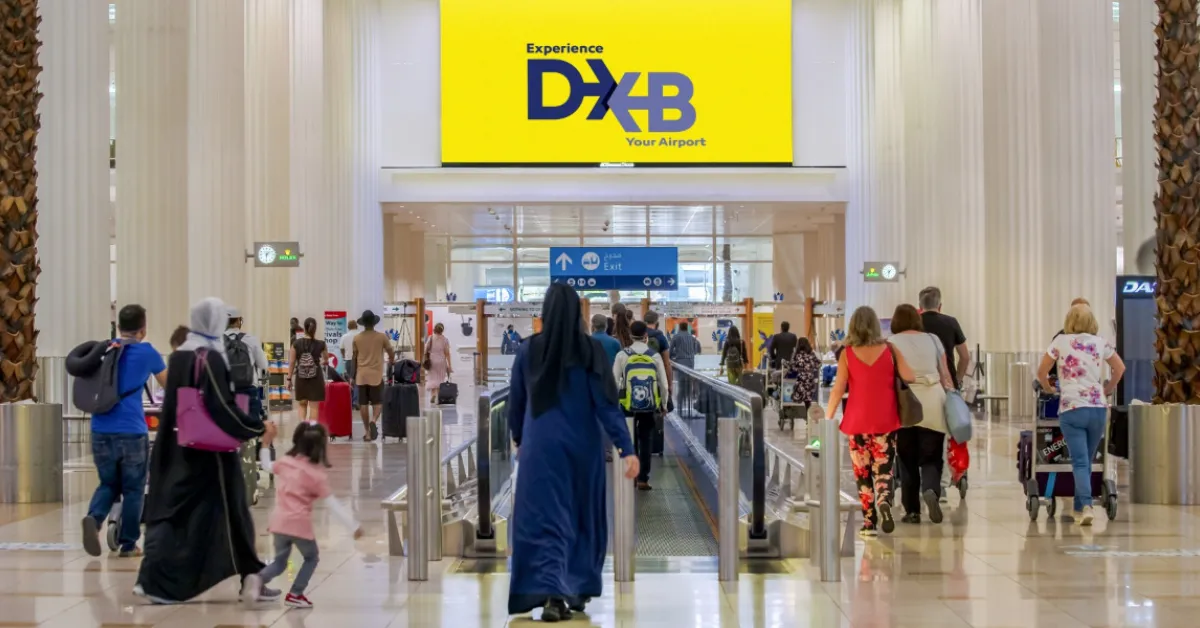
The United Arab Emirates has introduced stricter medical fitness requirements for foreign nationals applying for work and residence visas, including mandatory screening for HIV and tuberculosis.
Applicants for jobs in selected sectors will also face additional health checks before their visas are approved. Under the updated rules, all applicants must test negative for communicable diseases such as HIV and tuberculosis.
People seeking work in domestic service, childcare, hospitality, food handling and beauty therapy must also undergo screening for syphilis and Hepatitis B. Female domestic workers are required to take a pregnancy test before they can be cleared for employment.
The tuberculosis screening process differs between emirates. In Abu Dhabi, applicants are required to undergo a chest X-ray to detect pulmonary tuberculosis, while Dubai does not include this test during the initial medical examination.
Since 2016, expatriates renewing residence permits have also been required to undergo tuberculosis screening. Those diagnosed with active or drug-resistant tuberculosis may receive a conditional one-year visa and must complete treatment in the UAE.
The measures are part of the UAE's wider public health strategy to reduce the spread of infectious diseases among residents and workers. The country relies heavily on migrant labour and aims to maintain a healthy workforce through routine medical screening.
The UAE remains one of the leading destinations for Kenyan jobseekers because of its tax-free salaries and employment opportunities in sectors such as construction, aviation, healthcare and retail. Government estimates indicate that between 30,000 and 50,000 Kenyans are currently working in the Emirates, making it one of the largest destinations for Kenyan workers in the Middle East.
The changes come as Kenya has also introduced new health requirements for people entering the country. All inbound travellers must now have travel health insurance providing at least US$50,000 (about KSh6.4 million) in medical cover.













Add new comment