
Sh75 Billion Tax Hurdle Delays M-Pesa's Separation from Safaricom
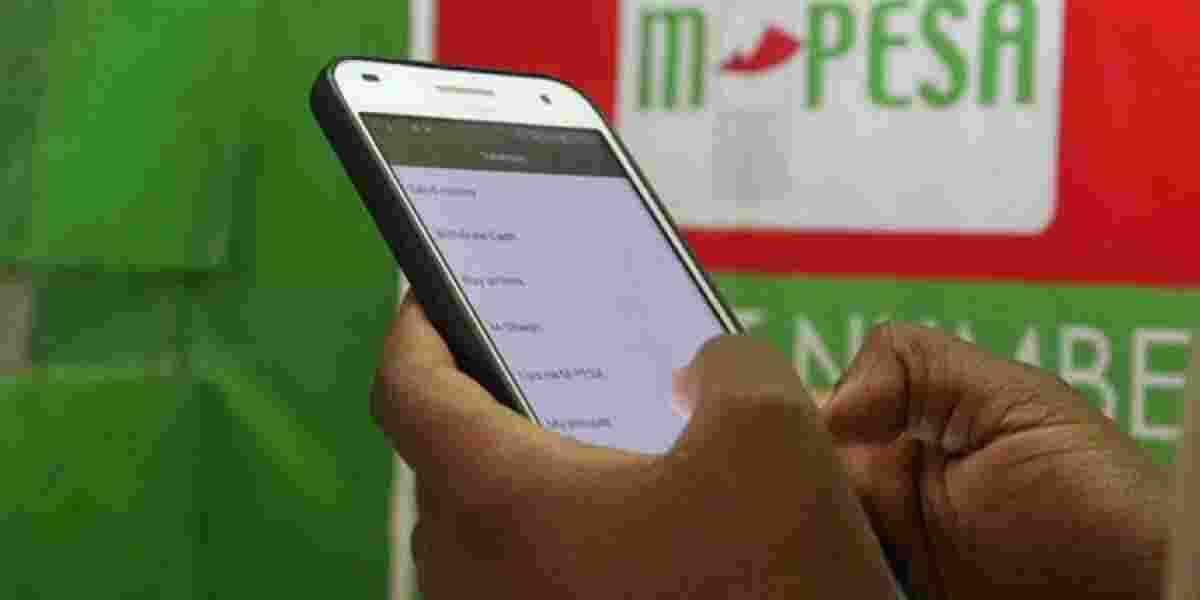
Kenya's plan to divide the giant telecommunications provider Safaricom and its mobile money arm M-Pesa has encountered a hurdle due to a substantial tax implication.
The Central Bank of Kenya (CBK) has revealed that the separation would incur a tax liability of Sh75 billion, stalling the process. CBK Governor Kamau Thugge disclosed this obstacle during a briefing after a Monetary Policy Committee (MPC) meeting. He indicated that a meeting with Safaricom's board is scheduled to address the unresolved tax issue. Thugge emphasizes the need for Treasury involvement to resolve the impasse. He reiterates that the separation would enable more effective oversight of M-Pesa.
"One of the reasons delaying the separation of M-Pesa mobile money from the rest of Safaricom is the significant tax liability, which amounts to approximately Sh75 billion. We need to find a way forward on this matter," said Dr Thugge.
Previous legal efforts to address concerns regarding Safaricom's dominance across voice, mobile data, and mobile money have been unsuccessful. The company is partly owned by foreign entities Vodacom of South Africa and Vodafone of Britain. The Kenyan government is committed to separating Safaricom into distinct entities. Their manifesto outlines placing the mobile telecommunications arm under the Communications Authority's jurisdiction, while the financial arm, encompassing M-Pesa, would be overseen by the Central Bank of Kenya.
M-Pesa's dominance in the mobile money market makes it a vital component of the Kenyan economy, functioning as a de facto national payment system. The government acknowledges the potential disruption to critical services like money transfers if M-Pesa experiences outages. Treasury reports have highlighted the economic consequences of a potential M-Pesa collapse, underlining the systemic risk it poses. Safaricom has consistently opposed the proposed division, arguing that it would necessitate the creation of a new entity to manage M-Pesa. This new company would be subject to a 30% income tax burden on both its financial and physical assets.
During a parliamentary session last year, Safaricom outlined the potential drawbacks of the split for the new company and its shareholders. Analysts and insiders at Safaricom believe that a separate M-Pesa unit, operating like a traditional bank, could pose a significant threat to commercial lenders if regulators proceed with the controversial separation. They argue that this move would allow Safaricom to expand its financial service offerings, transforming it from a technology partner for banks into a formidable non-traditional competitor.
The Central Bank of Kenya (CBK) initiated discussions with telecommunication companies in October 2023 in a move designed to enhance oversight and financial stability. The talks aimed to establish a clear separation between mobile money operations and other business ventures undertaken by telecom firms. This separation aims to strengthen governance within the mobile money sector and minimize any potential disruptions to bank-related transactions.
The CBK's initiative followed the successful example set by Airtel Networks Kenya. The company separated its mobile money business from its core telecommunications operations by establishing a distinct entity, Airtel Money. This move served as a catalyst for the CBK to engage with other payment service providers as well. The regulatory body is committed to ensuring that all activities under its purview are appropriately isolated from other business lines within these companies.






Comments
No comments yet — be the first.