

Evergrande Founder Receives Life Sentence Amidst China's Economic Turmoil
The founder of the collapsed Chinese property giant Evergrande has been sentenced to life in prison, marking a significant development in the ongoing fallout from one of the largest corporate defaults in history. Xu Jiayin, who established Evergrande in 1996, was convicted of fraud, embezzlement, and other charges related to the company's staggering debt crisis, which has left numerous stakeholders, including creditors and homebuyers, in precarious positions.
The sentencing comes as Evergrande's financial troubles have had far-reaching implications for China's real estate sector and the broader economy. Once the country's most indebted developer, Evergrande amassed liabilities exceeding $300 billion, leading to widespread concerns about the stability of China's property market and its potential ripple effects on global financial systems.
Xu Jiayin's trial highlighted the intense scrutiny faced by corporate leaders in China, particularly in light of the government's increasing focus on regulatory compliance and financial discipline. The Chinese authorities have ramped up their crackdown on corporate malfeasance in recent years, with a particular emphasis on the real estate industry, which has been a critical driver of economic growth.
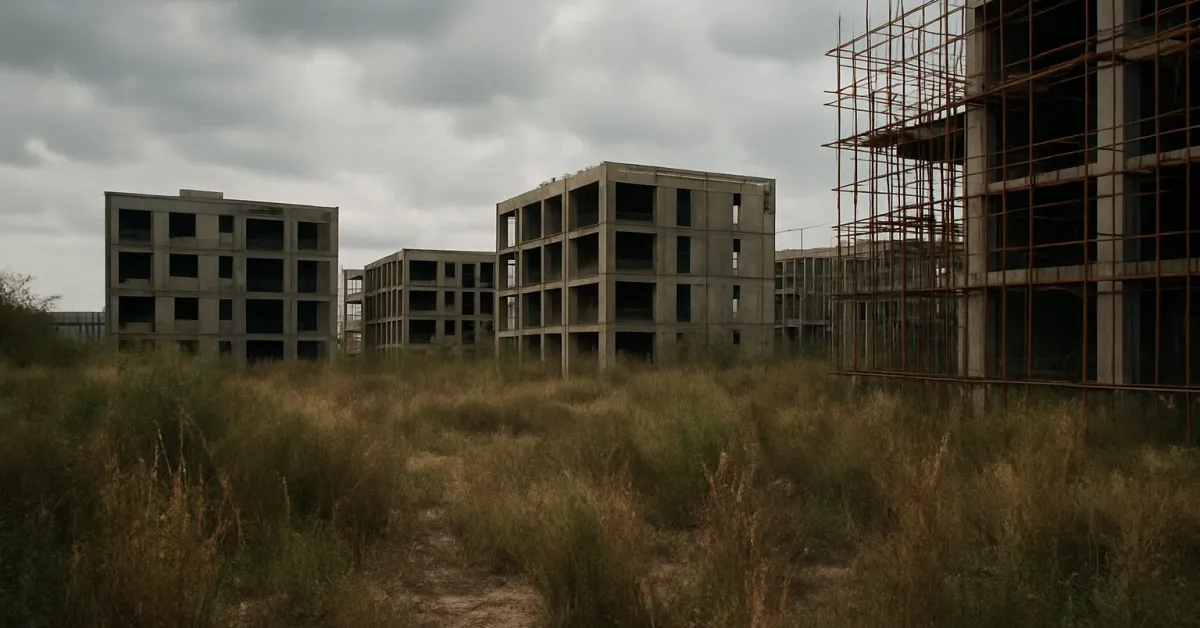
The Evergrande crisis began to unfold in 2021 when the company failed to meet its debt obligations, triggering a series of defaults that raised alarms about the potential for a broader economic slowdown. As construction projects stalled and homes went unfinished, thousands of homebuyers protested, demanding the completion of their properties. The scale of the situation led to a government intervention aimed at stabilizing the housing market and protecting homeowners.
In response to the crisis, the Chinese government has implemented measures to support the sector, including easing lending restrictions for developers and promoting policies to ensure the delivery of homes to buyers. Despite these efforts, the impact of Evergrande's collapse continues to reverberate throughout the economy, affecting related industries and contributing to a downturn in consumer confidence.
Xu's life sentence is seen as a signal of the government's commitment to holding corporate leaders accountable for their actions. The trial also underscored the increasing risks associated with high-leverage business models in China, where rapid expansion often comes at the cost of financial prudence.
The case has drawn international attention, raising questions about the future of corporate governance in China and the potential for further regulatory crackdowns on other companies facing similar challenges. Analysts are closely monitoring the situation, as the outcome of the Evergrande saga could set important precedents for how the Chinese government manages corporate debt and financial stability.
As the world watches, the implications of this ruling extend beyond China's borders, impacting investor sentiment and the global economy. With the real estate sector accounting for a significant portion of China's GDP, the ongoing fallout from the Evergrande crisis poses challenges not only for the Chinese economy but also for international markets that are interconnected with China's financial system.
Investors and market analysts are now assessing the potential for further defaults within the real estate sector, as other developers may face similar pressures due to rising borrowing costs and tighter regulatory scrutiny. The situation remains fluid, with stakeholders keenly observing how the Chinese government will navigate the complexities of the real estate market in the wake of Evergrande's downfall.
In the aftermath of Xu Jiayin's sentencing, industry experts are urging caution, emphasizing the need for sustainable practices within the real estate sector to prevent future crises. The Evergrande case serves as a stark reminder of the risks associated with excessive leverage and the importance of maintaining financial discipline in an increasingly complex economic landscape.











Add new comment