

Africa: The Trade Pact That Could Stitch Africa's Textile Industry Together
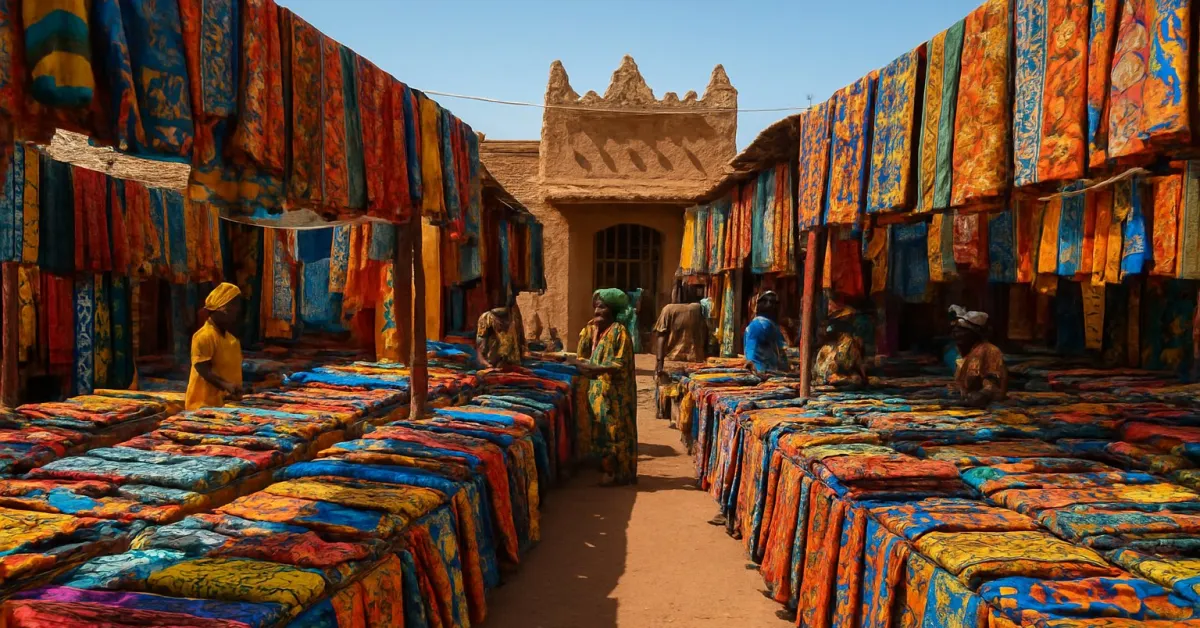
The African Continental Free Trade Area (AfCFTA) is gaining momentum as a transformative initiative aimed at revitalizing Africa's textile and clothing industry. This promising trade agreement, coming into effect in 2021, seeks to dismantle trade barriers across Africa, offer a larger market, and establish shared regulations to bolster the continent's manufacturing capabilities. With over 50 African countries participating, AfCFTA stands as the world's largest free trade area by number of member states, encompassing a market of 1.3 billion people and a combined GDP of $3.4 trillion.
Central to AfCFTA's potential is its capacity to weave cross-border production networks among African nations, enhancing intra-African trade and attracting vital investments. By removing tariffs on 90% of goods, the agreement aims to increase intra-African trade by over 50% by 2030, according to the United Nations Economic Commission for Africa (UNECA). "The AfCFTA presents a unique opportunity for African nations to come together and create a self-sustaining textile industry," said Wamkele Mene, Secretary-General of AfCFTA. He emphasized that the initiative could lead to significant job creation across the continent.
Africa's textile industry has long been fragmented, with countries like Ethiopia, Egypt, and South Africa standing as major hubs, yet lacking the cohesive infrastructure to compete on a global scale. AfCFTA seeks to change this dynamic by facilitating collaborative efforts across borders. By fostering a unified market, the agreement encourages African nations to retain more value within the continent while reducing dependency on imported textiles and clothing.
The impact of AfCFTA extends beyond economic growth, with notable social implications. The textile industry is traditionally a significant employer of women, making it a powerful tool for empowerment and poverty reduction. "By streamlining trade and supporting local industries, AfCFTA will empower women across Africa, granting them greater economic independence and opportunities," said Vera Songwe, former Executive Secretary of UNECA.
Furthermore, the agreement addresses the need for sustainable practices within the textile industry. With increasing global demand for ethically sourced and environmentally friendly products, AfCFTA encourages participating countries to adopt sustainable manufacturing methods. UNECA's reports indicate that Africa's potential share of the global market could grow by $3 billion if such practices are implemented effectively.
While the promise of AfCFTA is significant, it also faces challenges. Infrastructure deficits and non-tariff barriers remain obstacles to seamless trade. Moreover, political will and effective implementation are crucial for the agreement's success. Experts argue that for AfCFTA to realize its full potential, it must be accompanied by comprehensive policy frameworks and concerted efforts to upgrade infrastructure across the continent.
As Africa looks toward the future, AfCFTA represents a beacon of opportunity for the textile industry. It has the potential to transform African economies, providing a platform for sustainable growth and inclusive prosperity. "AfCFTA is not just a trade agreement; it's a catalyst for the industrialization of the continent," reiterated Wamkele Mene, underscoring the long-term vision for Africa's economic transformation through regional integration.




















Add new comment