

Trump Administration Moves to Raise H-1B Minimum Salaries by 30%
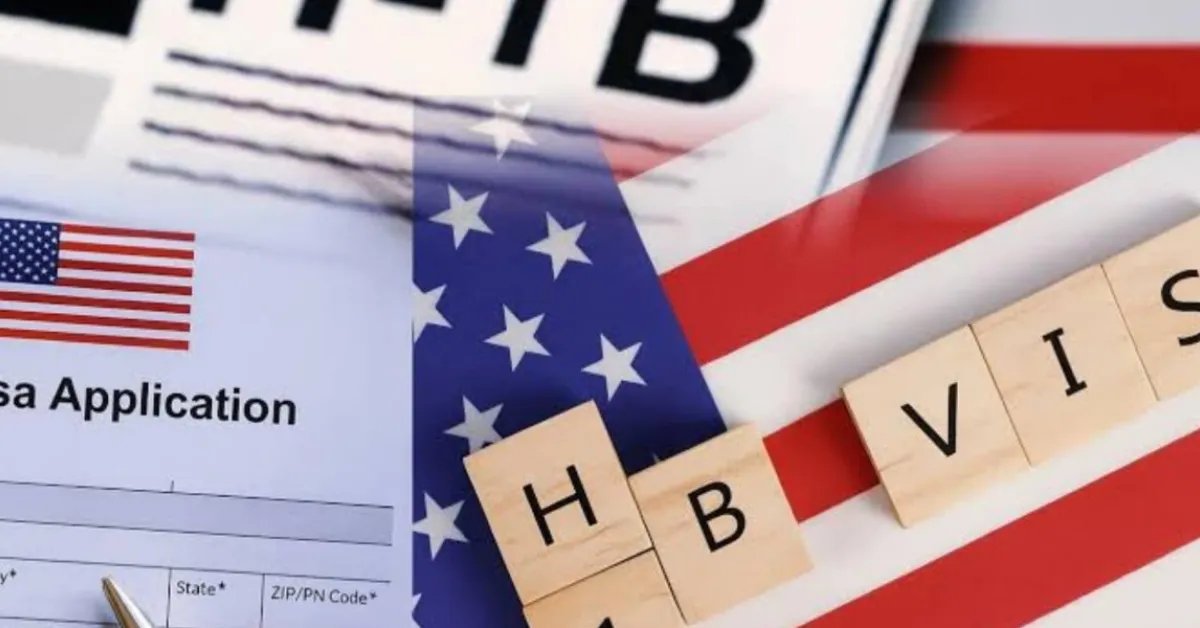
The United States Department of Labour has proposed raising the minimum wages that employers must pay when hiring foreign workers under the H-1B visa programme by about 30 per cent across all four wage levels.
The draft rule would introduce the largest revision to the wage structure in nearly two decades. The Department of Labour said the current wage thresholds, which were introduced almost 20 years ago, no longer reflect the modern labour market.
It said the existing system allows some employers to hire foreign workers at salaries below those paid to similarly qualified American workers, putting domestic employees at a disadvantage. Under the proposal, wages would increase across four categories, from entry-level to the most experienced positions.
The minimum salary for entry-level workers would rise to $97,746, an increase of more than one-third from the current level. The exact figures would continue to vary by location, but employers sponsoring foreign workers would face substantially higher minimum salary requirements.
The proposed changes would apply not only to the H-1B visa programme but also to the H-1B1 and E-3 visa categories, as well as the PERM labour certification process used for employment-based permanent residency. The Department of Labour said the revised wage levels are intended to provide stronger protection for American workers by ensuring that employers cannot use lower-paid foreign labour to fill skilled positions.
The proposal has received mixed responses. Supporters said the changes are needed to ensure fair pay and strengthen protections for the domestic workforce. Critics said the higher wage requirements could increase costs for employers, particularly smaller businesses that recruit recent graduates or entry-level staff.
They argued that the changes could make it more difficult for those companies to hire skilled workers from overseas. The draft rule is open for public comment until 26 May. After the consultation period ends, the Department of Labour will review the submissions before deciding whether to adopt the changes in a final rule.










Add new comment