

Kenya Faces Soaring Food Import Bill Amid Severe Drought Conditions
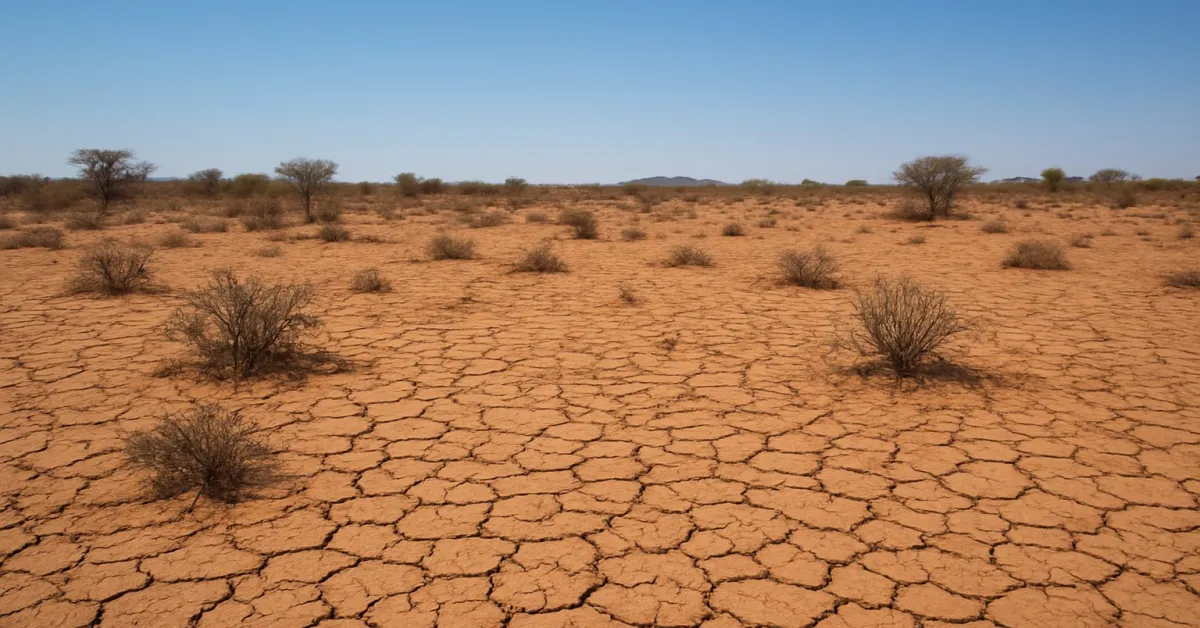
Kenya's food import bill has surged to near-record levels due to widespread crop failures caused by severe drought conditions. This situation is affecting food security across the nation, with many households struggling to access basic food supplies.
The drought has had a significant impact on agricultural production, which is a critical sector for the Kenyan economy. The country relies heavily on its agricultural output for both local consumption and export. As crop yields decline, the government and farmers face increased pressure to supplement local production with imports, leading to a substantial rise in the food import bill.
Reports indicate that the rising costs associated with food imports are creating challenges for many Kenyans, particularly those living in rural areas who depend on agriculture for their livelihoods. The situation has been exacerbated by global economic factors, including fluctuations in commodity prices and supply chain disruptions.
In addition to the immediate economic implications, the increase in the food import bill raises concerns about long-term food security in Kenya. As the country grapples with the effects of climate change and unpredictable weather patterns, the reliance on imported food may pose risks to national food sovereignty.
The ongoing drought has also sparked discussions about the need for more sustainable agricultural practices and better water management strategies to mitigate the impact of climate-related challenges in the future. Policymakers are under pressure to address these issues to ensure that the country can withstand similar crises in the future.
This situation unfolds as Kenya continues to navigate various socio-economic challenges, including labor disputes in other sectors, which further complicates the national landscape. The aviation sector, for instance, has recently experienced strikes over pay and union recognition, highlighting the broader issues within the economy that may impact the government's ability to respond effectively to the food crisis.
As the food import bill climbs, the implications for Kenyans at home and abroad are becoming increasingly pronounced. Families are facing higher food prices and potential shortages, while the economic strain may also affect remittances and support for those living outside the country.




















Add new comment