

Attacks in Black Sea Threaten to Strangle Global Grain Supply

The ongoing conflict in the Black Sea region, involving strategic strikes on ports and vessels by both Russia and Ukraine, poses a severe threat to the global grain supply chain. The attacks have intensified in recent weeks, placing immense pressure on the agricultural sector and raising concerns of a potential worldwide food crisis.
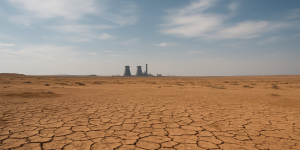
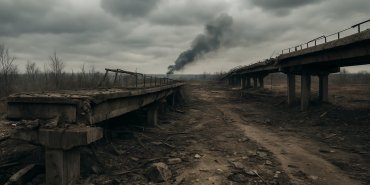
Amidst the escalating conflict, agricultural exports from key grain-producing regions have been severely disrupted. The Black Sea, a critical route for grain shipments, has seen a surge in military activities, with both nations targeting key infrastructures. This has left farmers in the region facing potential financial ruin and threatened the stability of global food markets.
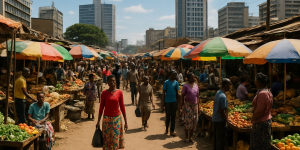
United Nations officials have expressed grave concerns over the situation's potential to exacerbate global food insecurity. "The disruptions in the Black Sea have far-reaching implications on food security globally, particularly for developing nations that rely heavily on grain imports," stated a UN representative, emphasizing the urgency for diplomatic resolution to avert a crisis.
The attacks have also prompted responses from international bodies and governments. The European Union has called for immediate cessation of hostilities in the region. EU Foreign Policy Chief Josep Borrell has remarked, "The continued conflict and targeting of critical infrastructure are unacceptable. We urge all parties to prioritize diplomacy and ensure the safe passage of agricultural exports."
According to data from the International Grains Council, the Black Sea region accounts for over 25% of the world's grain supply, underscoring the significance of the current disruptions. The council warned that prolonged conflict could lead to significant price hikes, impacting vulnerable economies the hardest.
Beyond immediate economic impacts, the crisis has prompted fears of long-term ramifications for global agricultural trade routes. Experts suggest that if the situation persists, countries might need to explore alternative supply lines, which could further complicate global trade dynamics.
In the face of these challenges, efforts to mediate and stabilize the situation continue. The international community watches closely as diplomatic negotiations and potential ceasefire discussions evolve, with hopes that a resolution can be reached to mitigate the profound impacts on global food security. The coming weeks will be crucial in determining the trajectory of this crisis and the broader implications for worldwide grain supplies.

















Add new comment