

The Sahel and the UN: a smaller footprint, a different role
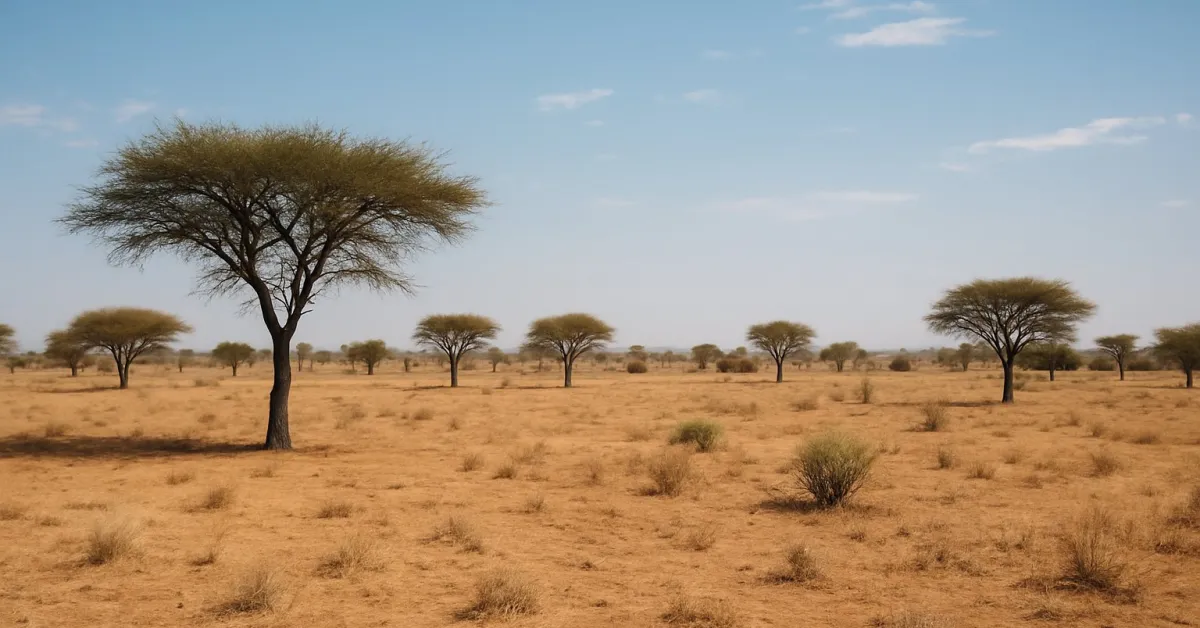
The United Nations is facing a pivotal moment as the 81st session of the UN General Assembly (UNGA) convenes. The focus is on the Sahel region of Africa, where changing dynamics are prompting reassessment of the international body's role. This shift comes amid rising calls for increased sovereignty by nations in the Sahel, a region that has been a focal point for UN involvement due to ongoing conflicts and humanitarian challenges.
The Sahel, an expansive region stretching across northern Africa, has long been plagued by insecurity, exacerbated by factors such as poverty, climate change, and terrorism. The United Nations has traditionally played a significant role in peacekeeping and humanitarian efforts. However, as demands for sovereignty grow louder, the organization's presence may need to adapt to a more supportive and less intrusive role.
Historically, the UN's involvement in the Sahel has included deploying peacekeeping missions and providing humanitarian assistance in countries like Mali, Niger, and Burkina Faso. These efforts have aimed at stabilizing the region and supporting local governance structures. However, with the region's governments increasingly asserting their autonomy, there is a push for the UN to reduce its footprint and recalibrate its approach to align with local priorities.
The evolving situation in the Sahel reflects a broader trend of countries seeking greater control over their internal affairs, resonating with themes of self-determination and decolonization. This shift is not isolated to the Sahel but is part of a wider movement across Africa and other developing regions, where nations are striving to design and implement policies that best suit their unique circumstances without excessive external influence.
As the UN General Assembly deliberates, key issues on the agenda include how to maintain effective support for human rights and development goals in the Sahel while respecting the sovereignty of its nations. Discussions are likely to explore new models of partnership that emphasize collaboration with regional bodies and national governments, rather than imposing solutions from the outside.
The situation in the Sahel also has implications beyond Africa. Countries around the world are closely observing how the UN adapts to these demands, which could set precedents for international cooperation in other regions facing similar challenges. The outcome of these deliberations may influence future UN policies and strategies, potentially reshaping its global engagements.
The developments in the Sahel underscore the importance of flexible international frameworks that can respond to the changing needs and aspirations of member states. As the discussions at the UNGA progress, stakeholders from diverse sectors will be keenly watching for resolutions that balance the principles of sovereignty, security, and sustainable development in this pivotal region.

















Add new comment