

Escalating Tensions in the Red Sea: Houthis Target Saudi Oil Tankers
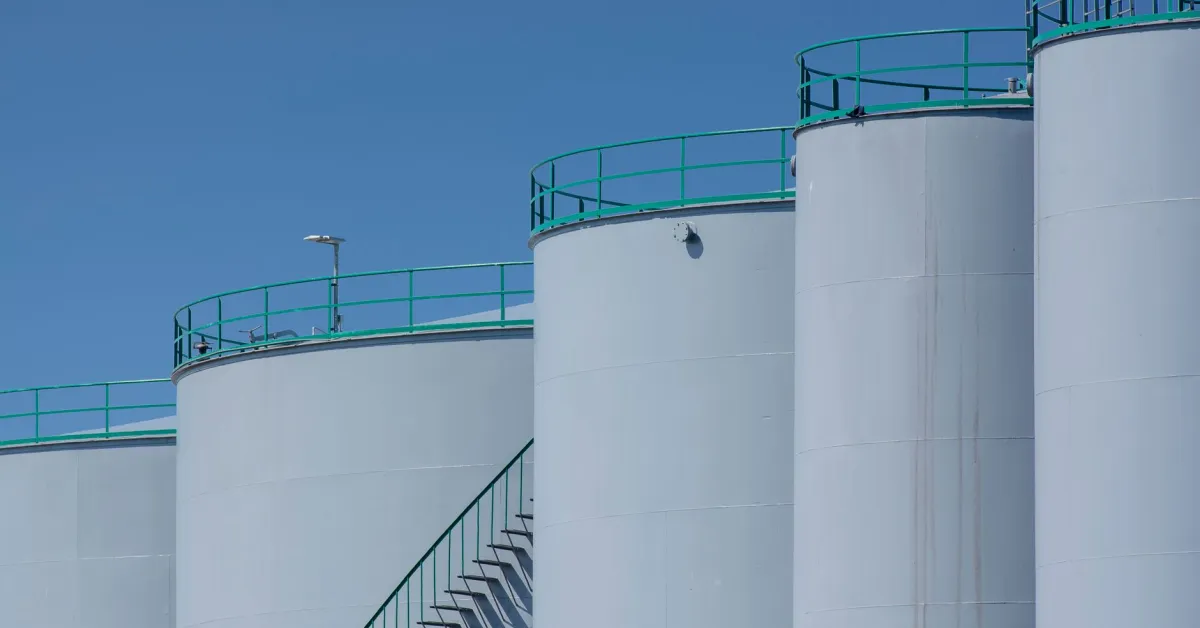
The conflict in Yemen has taken a dramatic turn as Houthi rebels, aligned with Iran, claimed responsibility for attacking another Saudi oil tanker, marking a significant escalation in their blockade of Saudi shipping routes. The latest incident occurred in the Red Sea, a crucial artery for global maritime trade, and threatens to disrupt the flow of oil, with potentially widespread economic repercussions. The Houthis' aggressive actions come on the heels of heightened tensions in the region, as Iran continues to exert influence over the Strait of Hormuz, further complicating international navigation.
The Houthi movement, backed by Iran since the onset of the Yemen civil war, appears to be intensifying its efforts to impact Saudi Arabia economically. "This strike is part of our legitimate defense against the ongoing aggression," a Houthi spokesperson declared in a televised statement. The Saudi government, meanwhile, has condemned the attack, stating that it jeopardizes the security of global energy supplies. The Saudi Ministry of Energy confirmed the incident, emphasizing that the attack was successfully thwarted with minimal damage to the tanker.
The Red Sea, one of the world's most important shipping lanes, sees approximately 10% of global trade passing through its waters. Any disruption in this channel could have significant implications for international oil prices and supply chains. The International Maritime Organization (IMO) has expressed grave concern over the situation, urging all parties to exercise restraint. "The safety of maritime routes is critical for global trade, and such incidents endanger not only the involved vessels but also the regional stability," stated Kitack Lim, the IMO Secretary-General.
In response to the escalating situation, the United States has reaffirmed its commitment to ensuring freedom of navigation in the region. U.S. Secretary of State Marco Rubio stressed the importance of maintaining open and secure passageways for trade. "The international community must come together to address these provocations and ensure the security of maritime routes," Rubio remarked during a press briefing. The rising tensions have prompted concerns from global shipping and insurance companies, with potential increases in shipping costs and insurance premiums on the horizon.
Moreover, the conflict's impact extends beyond the immediate region, with potential ramifications for developing nations reliant on stable oil prices. Countries in Africa, for instance, may face economic challenges should oil prices surge as a result of disrupted supplies. As the situation develops, the international community remains watchful, with diplomatic efforts likely to intensify in a bid to de-escalate tensions and ensure the continued safety of the Red Sea's vital shipping lanes.












Add new comment