

Ruto’s Housing Programme Builds Momentum as 274,000 Homes Rise Across Kenya
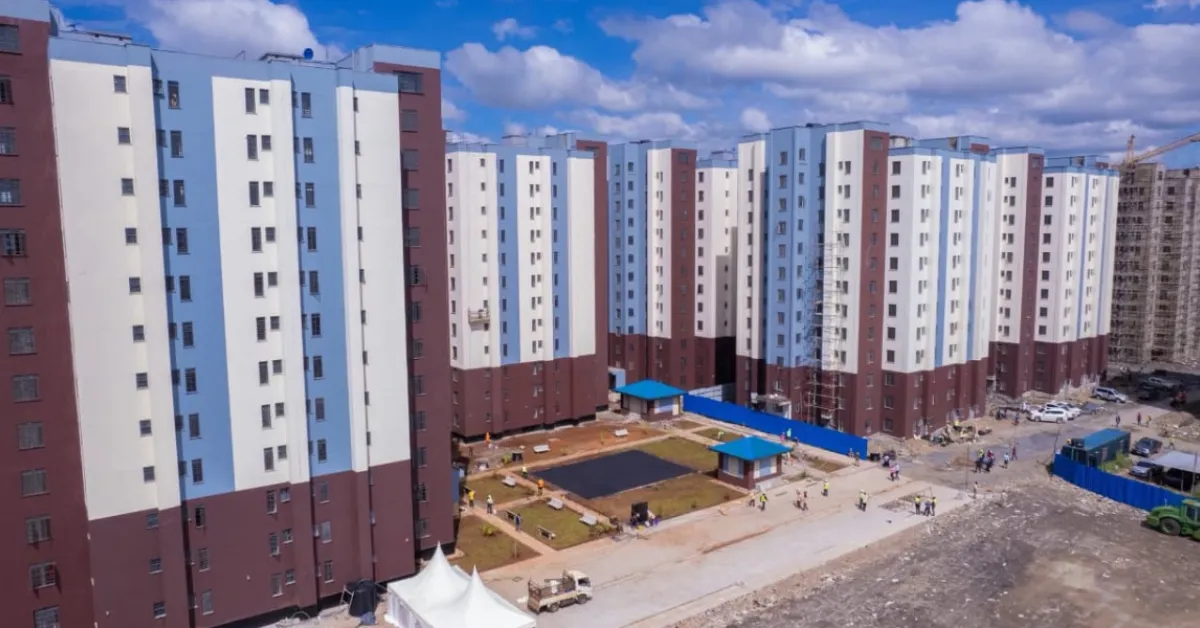
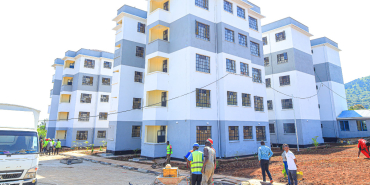
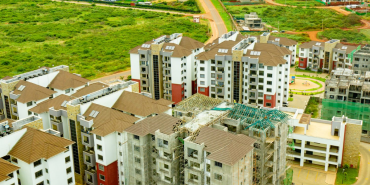
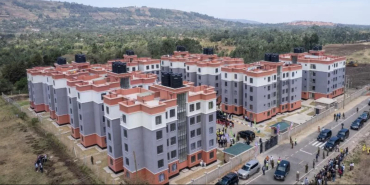
Kenya’s affordable housing programme completed 7,148 residential units in 2025, while more than 274,000 additional homes were under construction by August 2026.
The figures highlight a sharp increase in construction activity under President William Ruto’s housing programme, but completed units remain well below the administration’s original target of 250,000 homes each year. The programme was introduced as a key part of Ruto’s Bottom-Up Economic Transformation Agenda following his election in 2022.
The administration pledged to build 250,000 homes annually, increase homeownership among low- and middle-income households and create jobs across the construction industry. Data from the Kenya National Bureau of Statistics (KNBS) shows that the State Department for Housing and Urban Development completed 6,738 housing units in 2025, up from 1,655 units in 2024.
This was an increase of 5,083 completed units in one year. The value of the completed projects also increased. KNBS put the value of the State Department’s 2025 completions at Sh7.2 billion, compared with Sh4 billion in 2024.
The National Housing Corporation completed a further 410 residential units valued at Sh941 million. This brought total residential completions recorded during the year to 7,148 units.
The increase represents a significant rise from the previous year’s output. However, it remains far below the government’s annual target of 250,000 homes.
Meeting that target would require a substantially higher completion rate than the 6,738 units delivered by the State Department in 2025. Even after including the National Housing Corporation’s contribution, the total represents only a small proportion of the annual target.
The distinction between construction activity and completed housing is central to the programme. Projects can involve large investments, create employment and include thousands of planned units without those homes being ready for occupation.
The government has increasingly highlighted the size of the housing pipeline as evidence of progress. By August 2026, Housing and Urban Development Principal Secretary Charles Hinga said about 8,807 housing units had been completed, while more than 270,000 others were at different stages of development.
The wider programme also includes 23,200 institutional and staff housing units under construction. Another 37,347 student accommodation units are expected to provide space for about 130,713 students.
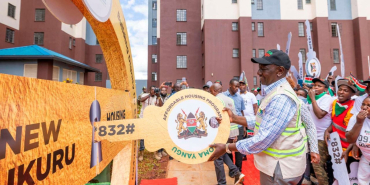
On 27 August, Ruto said more than 274,000 affordable housing units were under construction and that the programme had created more than 1.1 million jobs.
Employment has become an important part of the government’s case for the programme.
The administration says the benefits extend beyond workers directly involved in construction to manufacturers of cement, steel and other materials, transport operators, contractors, suppliers and small businesses connected to the construction industry.
Ruto also highlighted the employment impact in December 2024, when he said the programme had created 200,000 direct jobs, in addition to opportunities across the wider construction supply chain. The government’s economic argument is that construction spending can support economic activity and create incomes even before all the houses are completed.
KNBS data illustrates the scale of the construction pipeline. By December 2025, 205,311 housing units with an estimated value of Sh500 billion were under construction across the relevant government housing programmes.
Affordable housing accounted for the largest share, with 138,474 units valued at about Sh385.8 billion.
Social housing accounted for another 53,350 units, with an estimated construction cost of Sh81.8 billion. Institutional housing accounted for 12,709 units valued at approximately Sh28.6 billion.
The National Housing Corporation had an additional 778 units under construction, valued at an estimated Sh3.7 billion. The projects are being implemented across all 47 counties, giving the programme a wider geographical reach beyond major urban centres.
The government now faces the challenge of converting this large construction pipeline into completed homes. For prospective homeowners, the most important measure is the number of units that are completed, allocated and occupied at prices they can afford.
The number of units under construction provides an indication of future supply but does not represent completed housing. The challenge was already evident in 2024, when Ruto announced the sale of 4,888 units that were nearing completion across 21 social housing projects. The developments covered 24 counties and included social, affordable and middle-income housing.
The programme divides housing into different income categories. Social housing is aimed at households with lower incomes, while affordable and affordable-market units are intended for progressively higher-income groups.
The segmentation is intended to serve households across different income levels, but questions remain over access for people with irregular or informal incomes.
Informal-sector workers make up a large part of Kenya’s labour force and may face difficulties participating in a system that relies on formal income records and predictable payments.
The Housing Levy has added another element to the housing debate.
Employees contribute 1.5 percent of their gross salaries, while employers make a matching contribution. The government says the levy provides a domestic financing mechanism for housing development on a scale that would be difficult to achieve through conventional government budgets alone.
Opponents have questioned the requirement for workers to contribute towards housing construction and then make further payments if they want to acquire a unit. Questions have also been raised about allocation, eligibility and whether lower-income households can meet the financial commitments associated with homeownership.
Ruto has said the levy should not be viewed only as a source of funding for houses. According to the President, the funds are also supporting infrastructure such as markets and student accommodation.
In August last year, he said the government had 260 markets under development, adding to the administration’s wider use of the housing levy to finance urban and economic infrastructure. The housing programme has therefore expanded beyond the original focus on annual housing construction.
The government now presents it alongside job creation, construction investment, markets, institutional accommodation, student housing and activity across the supply chain. The original target of 250,000 homes a year, however, remains a clear measure of progress.
The number of completed homes provides a direct indication of how quickly the programme is increasing the supply of housing. There are signs of increased output. State Department completions rose from 1,655 units in 2024 to 6,738 in 2025. If the large number of units currently under construction are completed, annual deliveries could increase significantly.
The programme has expanded in scale and now covers all 47 counties. Its progress will increasingly depend on how quickly the current pipeline is converted into completed and occupied homes.
For households seeking affordable housing, the distinction is straightforward: a unit under construction represents future supply, while a completed and occupied unit represents housing that has been delivered.








Add new comment