
Africa's Factories Transform into Self-Sufficient Power Stations Amid Energy Challenges
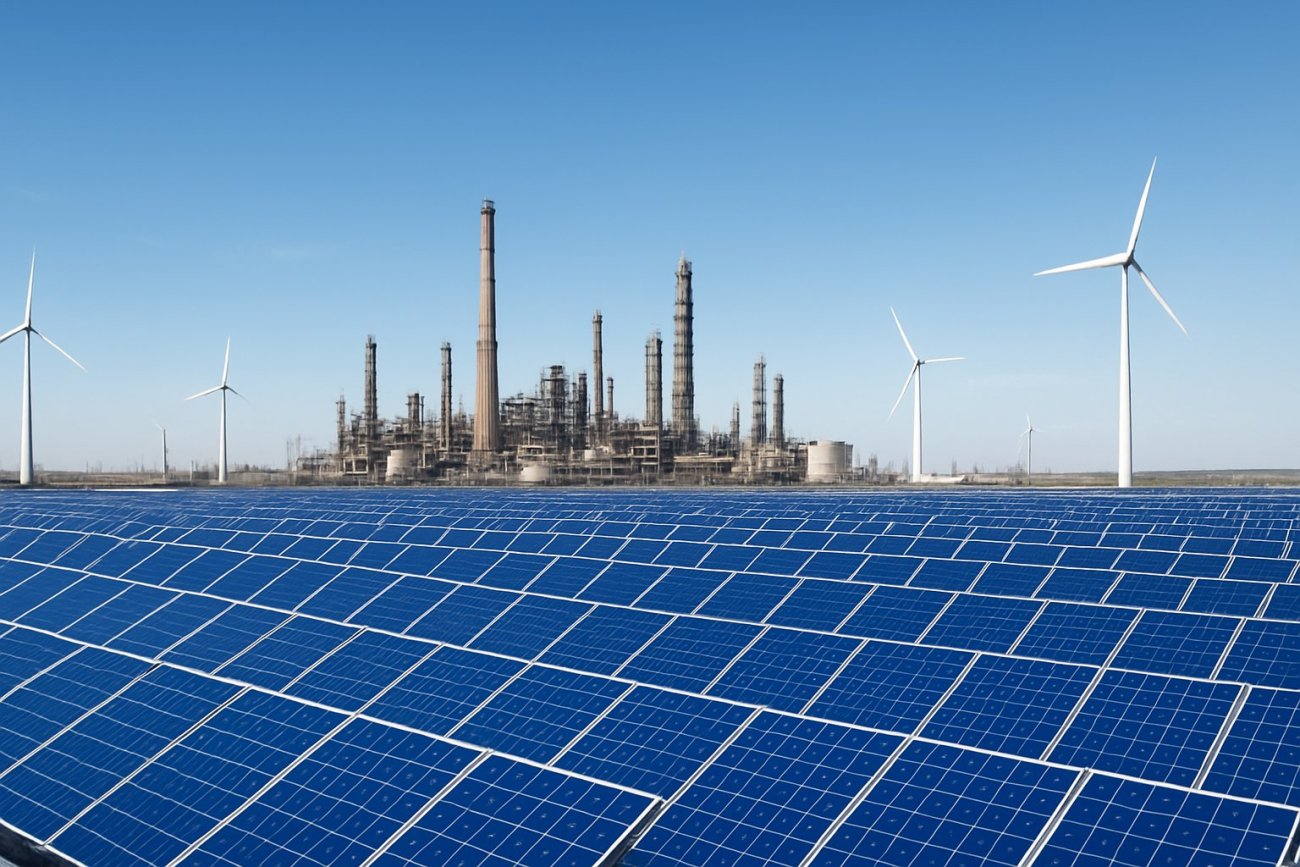
Africa's industrial landscape is witnessing a significant transformation as factories increasingly become self-reliant power producers. This shift is in response to persistent energy challenges that have historically hampered production across the continent. Textile plants, mining operations, and export processing zones are at the forefront of this change, investing in independent electricity systems to ensure consistent power supply and mitigate production disruptions.
The continent's industrial sector has long struggled with unreliable electricity supplies, with frequent outages resulting in costly downtime. To counter this, many factories are building their own power stations, effectively becoming independent power producers. This move not only shields them from grid-related setbacks but also aligns with broader goals of enhancing energy security and resilience.
In recent years, the demand for reliable and affordable energy has spurred innovative solutions among African industries. For instance, textile manufacturers, reliant on continuous power for efficient operations, are investing in renewable energy sources like solar and wind. These investments not only reduce dependency on national grids but also align with global sustainability trends.
The mining sector, a substantial contributor to many African economies, is similarly adopting on-site power generation. Mines require substantial energy for operations such as ore processing and transportation. By establishing their own power sources, mines can achieve greater operational stability and cost control, essential for maintaining competitiveness in global markets.
Export zones, which are crucial for boosting trade and attracting foreign investment, are also leveraging independent power systems. By ensuring uninterrupted operations, these zones can better meet international market demands and deadlines, fostering economic growth and job creation.
This trend of factories becoming their own power stations is significant not only for Africa but for other developing regions facing similar energy challenges. It demonstrates a proactive approach to overcoming infrastructure deficits while promoting economic development. Moreover, it highlights the potential for renewable energy to play a significant role in closing the energy gap in industrial sectors.
As Africa continues to urbanize and industrialize, the need for reliable power will only grow. The current trajectory suggests that industries will increasingly turn to self-generation solutions, potentially paving the way for broader energy independence and economic resilience across the continent.


Comments
No comments yet — be the first.